
The Nature of Comedy: A Masterclass in Gloriously Unnatural Acts

Let’s take a wild, eye-bulging leap into the wonderfully warped mind of Marty Feldman, the British comic genius whose very face seemed to laugh before he even opened his mouth. A recently resurfaced 1969 BBC documentary, titled No, But Seriously…, shows Feldman dissecting exactly why he does comedy—and let me tell you, it’s more profound than you might expect.

The Setup: Who Was Marty Feldman, Anyway?
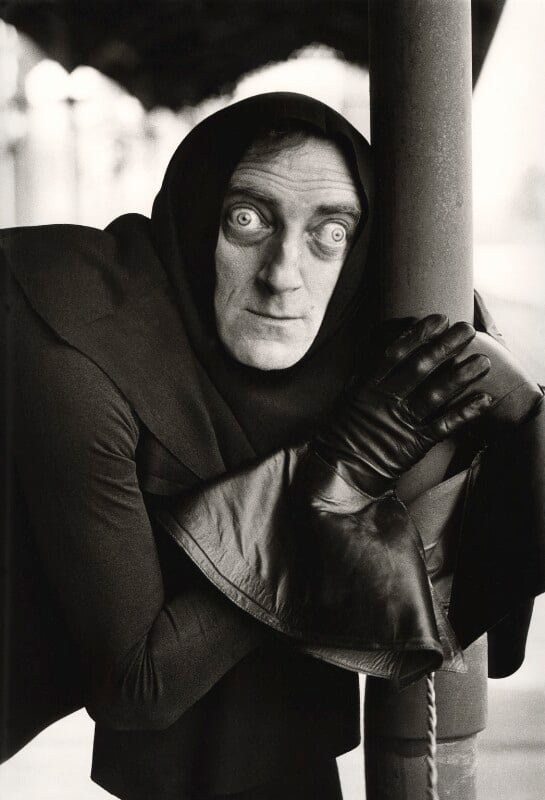
Marty Feldman (1934–1982) is widely remembered for his striking, misaligned eyes, a consequence of thyroid issues, and for his career as a comedian, writer, and actor. He first made his mark writing for radio, most notably on Round the Hornewith Barry Took.

He later starred in influential TV sketch shows such as At Last the 1948 Show, where he co-created the now-legendary “Four Yorkshiremen” sketch that would later be revived by members of Monty Python.

Hollywood eventually welcomed him, and Feldman became iconic as Igor—pronounced “Eye-gor”—in Mel Brooks’s Young Frankenstein.

Comedy as Neurosis: Feldman’s Philosophy in the 1969 Doc

In the BBC documentary No, But Seriously…, Feldman gets deeply introspective about his craft. He explains that comedy began for him as a need for approval, but over time became tangled with pressure:

“With the pressure of having to be funny all the time, I find that I enjoy it less and less.”

He goes on to describe comedy as “a kind of neurosis which I exploit,” elaborating:

“You plagiarise your inadequacies, your hangups, and you make comic capital out of them. After all, it's not normal to parade yourself in front of other people and invite them to laugh at you.”

For Feldman, the very things that made him feel out of place became the engine of his humor.

Social Freaks, Laughing Freaks

One of the most striking observations he makes in the documentary is his claim that virtually all comedians feel like “social freaks” in some way—whether due to their upbringing, appearance, or personality. This wasn’t self-pity; it was a diagnosis of what drives people to comedy.

Feldman didn’t just accept his oddness—he weaponized it. He turned what the world saw as strange into something joyful, universal, and cathartic. He transformed discomfort into laughter, and in doing so, made millions feel a little less strange themselves.

The Unnatural Act: Comedy According to Feldman

If you want a single line that summarizes Feldman’s comedic worldview, it’s one of his most famous quotes:

“Comedy, like sodomy, is an unnatural act.”

Shocking? Yes. But Feldman wasn’t merely reaching for provocation. He believed that comedy is something deliberately constructed. It breaks patterns, violates expectations, and plays with the taboo.

Calling comedy “unnatural” was his way of celebrating its rebellion—its refusal to follow the polite rules of human interaction.

Beyond the Laughs: The Heart in the Absurd

Feldman wasn’t simply concerned with laughs. He saw comedy as a reflection of the absurdity of life. While promoting his film The Last Remake of Beau Geste, he remarked that there is always a serious element at the heart of humor, and that the great silent comedians like Buster Keaton and Charlie Chaplin understood this intuitively.

He believed deeply that within absurdity lies dignity—and that comedy’s power comes from telling the truth about the ridiculousness of being human.

Legacy: Why Feldman Still Matters

So why revisit a black-and-white BBC documentary from more than 50 years ago? Because Feldman’s ideas about comedy feel remarkably contemporary.

His willingness to expose his insecurities, turn his perceived flaws into art, and build humor on vulnerability set a template modern comedians still follow. He showed that comedy isn’t necessarily rooted in confidence—it often comes from the exact opposite.

For Feldman, comedy wasn’t just a performance. It was a lens, a way to turn chaos into connection.

A Final Feldman Zinger

Before we wrap up, here's one more classic piece of Feldman wit:

“The pen is mightier than the sword, and considerably easier to write with.”

Dry. Precise. And undeniably him.

Sheikh MohsinComment
On Eric Idle's New Book Idle In Provence: A Brief History of Thyme

Breaking news from the olive groves of southern France: the inimitable Eric Idle — yes that Eric Idle of Monty Python fame — has turned pen to memoir mode, with a book intriguingly titled Idle In Provence: A Brief History of Thyme. It’s one part comedy-chronicle, one part refuge-journal, and one part “what happens when you buy a ramshackle château and call it a ‘shackeau’”.

The setup: Python meets Provence

Idle reportedly purchased a neglected stone house in the hills of Provence in 1972 — at the height of Monty Python mania — and dubbed it the “shackeau”. With no electricity, no running water, and the sort of “we’ll fix this up eventually” enthusiasm you usually reserve for very naive DIY projects, Idle set about transforming the place into… well, himself. A sanctuary, a comedy workshop, and a stone-walled escape from the madness of show-business.

In his upcoming memoir (due 8 September 2026, via Harper Select) the blurb says the book is “equal parts memoir, travelogue and comedy masterclass.” Expect a mix of behind-the-scenes of Python sketches, late-night visits from eccentric friends (think George Harrison, Robin Williams, Harrison Ford) and idle afternoons among olive groves.

What you’ll get (and what you won’t)

What you will get:

  • A portrait of building both a house and a life, as Idle writes: “the story spans decades, tracing not only the evolution of a house but the evolution of a life — one built on creativity, camaraderie, and comic rebellion.”

  • Anecdotes of fame, of hiding-away, of the odd French neighbour thinking you’re “a strange, eccentric Englishman.” Indeed, Idle said of locals: “they don’t care about me, I’m just a strange eccentric Englishman.”

  • Reflections on love, loss, friendship and the kind of oddball trajectory only a Monty Python writer-composer can have.

What you might not get: the classic tired celebrity memoir “I got addicted to Instagram” route. Instead the promised tone is “charming, cheeky and unexpectedly moving.”

Behind the headlines and between the olives

Here are a few delightful bits of colour:

  • Idle applies for a French “talent visa” because post-Brexit bureaucracy threatened his ability to stay at the “shackeau.” He told the media: “I wrote to Monsieur Macron, and offered him a ticket if he'd let me in… only one ticket, ‘because I don't want to be accused of bribery’.”

  • He notes that his “getaway” house is a good escape from showbusiness.

  • The release is timed in an interesting way: this is his book about France and solitude, companioning his earlier memoir Always Look On The Bright Side of Life: A Sortabiography (2018) and the more recent The Spamalot Diaries (2024) — so this feels like part of a trilogy of Idle’s reflections.

Why it feels especially fun right now

For anyone who has ever daydreamed of escaping the relentless pace of London-office-life (or Los Angeles-tour-bus-life) and heading off to a slow-time hilltop stone house in France — this book is reaching into that dream, tickling it, stirring it, and (knowing Idle) giving it a rubber chicken. It’s also timely: in an era when the “move-to-France” fantasy is muddied by Brexit and visas and complexity, Idle’s story is both glamorous and grounded. He actually once got kicked out of France for too long a stay.

Final verdict (with comedic flourish)

If you imagine a book with the tone of: “Yes I wrote Always Look on the Bright Side of Life at an olive-grove desk while goats bleated outside and French workers showed up whenever they felt like it” — that’s pretty much what you’re signing up for. It promises to be less of the “look at me now I’m famous” memoir and more of the “look where I parked my van, and then built a shackeau around it” memoir.

So: grab your sun hat, a chilled pastis (or two), and prepare for Idle’s comedic journey through stone walls, screwdrivers, script pages, and solitude with a twinkle.

Sheikh MohsinComment
Game. Set. Laugh. Meet Pauline Eyre — The Line Judge Who’s Taking Her Whistle on Tour

Say hello to the most unexpected grand slam of the comedy world: former Wimbledon line-judge-turned-stand-up star Pauline Eyre is embarking on a tour of her hit show Anyone For Tennis? across 2026. If you thought the sound of “Quiet please!” meant you were in the thick of a tennis match, think again — you’re probably in one of her gigs, where she’s now serving up jokes instead of double faults.

From baseline to punchline

Eyre spent over two decades officiating at Wimbledon and even called matches involving major stars such as Serena and Venus Williams. Her perspective? That the perfectly trimmed hedges and laser-guided line calls are all very shiny, but a bit of human fallibility is what gave Wimbledon its theatre. Reflecting on the shift toward electronic line-calling, she’s joked that officials have gone from being “very skilled professionals” to “glorified butlers.”

So what does someone with that background do next? Well — if you’ve got a career changing shoes, you might head into comedy. Thankfully, Pauline did just that.

The show: “Anyone For Tennis?”

Her live show Anyone For Tennis? is described as a 40-love letter to the game, filled with “smashing stories, ace anecdotes and… why line judges are OUT!” The format blends insider tennis tales (locker-room whisperings, royal box realities) with classic stand-up warmth. Reviewers say she brings both genuine authority (you don’t get 20 years at Wimbledon without accruing some serious anecdotes) and finely-tuned timing.

Tour across 2026: courts and comedy clubs

The 2026 tour is already partly mapped out: venues from Bury St Edmunds (February 25) to Andover (May 21), Leeds (June 17) and Taunton (October 16) — with plenty more to come on the circuit of small and mid-scale theatres across the UK.

So if you’ve ever wondered what it’s like to trade a clipboard and “fault” calls for a mic and punch-line bombs — or just fancy a night of tennis-laced humour without the risk of getting hit by a serve — this one’s for you.

Why you should go (and what to expect)

  • Authentic insider stories: The behind-the-scenes moments aren’t fiction — Pauline was there.

  • Warm, relatable approach: Her style is known for being both heartfelt and hilarious.

  • A fresh twist for both tennis fans and comedy fans: If you love sport or you love stand-up (or both), this show serves both sides beautifully.

  • Small venues = cosy energy: Expect close-ups, friendly crowds, and maybe even a racket-ish pun or two.

Final serve

In the grand slam of comedy, Pauline Eyre is heading the line. She’s waved goodbye to being hidden behind the umpire’s chair and is stepping into the spotlight — no let-letting up, no silent sign-language, just full-on stories, laughs and maybe a bit of Pimms-fuelled tennis nostalgia.

So whether you’re team tennis or team jokes, mark your calendars: 2026 is Anyone For Tennis? time. And make sure you get in early — because as Pauline might quip, in comedy shows like this, it’s the front row that serves best.

Sheikh MohsinComment
Big News from the Prom: The Terry Jones Statue Design Is Officially Cooked

Hold onto your hankies, comedy fans, because one of the quirkiest, cheekiest recognitions in UK public art history has just ticked off a major milestone: the design of a statue honouring Monty Python legend Terry Jones is complete. That’s right – after months (okay, years) of crowdfunding, sketching, deliberation and probably a fair bit of tea, the final conceptual design is locked and loaded for production.

Why This Statue Matters

Terry Jones was more than just the chap who delivered the voice‑over in “I’m a lumberjack and I’m okay” (though that was epic). As a founding member of Monty Python, writer, director, historian and self‑declared “Welshman at heart”, he left a mark on comedy that can’t be washed away with soap and water. He passed away in 2020 after a brave battle with dementia.

His seaside hometown of Colwyn Bay, North Wales, decided it was high time the town got something back — hence the campaign to erect a life‑size bronze statue of him on the promenade. The campaign, dubbed “A Python On The Prom”, pulled in donations globally and hit its target of around £120,000.

The Design: Expect the Unexpected

According to the latest reporting, the design by sculptor Nick Elphick is set to depict Terry as one of his most absurd characters: the nude organist from Monty Python’s Flying Circus. Yes. Nude. Organist. On a promenade. In public. Essentially, Terry in full comedic glory.

Here are some of the standout features reported:

  • He’s sitting at an organ, tying together his love of music, absurdity, and Python‑style chaos.

  • The organ doubles as a writing desk of sorts, acknowledging his work as a writer and director.

  • Local children’s‑story characters (from his other forays) frolic across the base: think Erik the Viking meets Bronze Terry.

  • The statue will be at ground level (not on a lofty plinth), so you – yes you – can walk up, shake his hand (or elbow), and pose for that selfie. The campaign emphasises “no pedestal, just Terry among the people”.

What’s Next?

Now the design is “complete”, we move into the production and casting phase. The unveiling is currently slated for spring 2026.

In the meantime:

  • The fundraising continues, with excess funds earmarked for the National Brain Appeal (a charity close to Terry’s heart) as well as local arts in Colwyn Bay.

  • Locals and Python fans alike are buzzing about what this will mean for the town: more visitors, more laughter, and yes, more photos of people next to a nude bronze funnyman.

  • It's also a cheeky statement of Terry’s anti‑establishment, rule‑breaking comedy spirit. As one supporter quipped: “Since Terry never won Rear of the Year, I reckon this statue preserves his posterior for posterity.”

The Vibe

Picture this: a crisp sea breeze off the Irish Sea, gulls squawking overhead, families strolling the promenade of Colwyn Bay, children skipping, and… there he is: Terry Jones, bronze, cheeky grin, organ keys magically floating in mid‑air, in his birthday suit (well, hypothetical birthday suit) and tie. It’s equal parts salute and wink. A tribute that laughs as much as it honours.

For a man who once said “and now for something completely different”, this seems exactly right.

Final Word

So yes, the headline is real: the design is done. The planning is set. The crowd‑funders have funded. And soon, the seaside town of Colwyn Bay will have a statue of Terry Jones that refuses to take itself too seriously — because he never did. Stay tuned, bring your camera, and don’t forget to wave (or shake a hand) at the world’s probably only nude‑organist statue. It’s going to be legendary.

Sheikh MohsinComment
Eddie Izzard's return to school — and yes, it's just as brilliant as it sounds

Picture this: Eddie Izzard (soon to be known also as Suzy, but let’s not get ahead of ourselves yet) strolls through the halls of a school, not with a school bag and nervous teenage vibe, but wielding comedic wisdom, a microphone of satire and those heels we know so well. Yes, the headline really is: Eddie Izzard goes back to school.

What’s actually happening?
Earlier this year, Eddie dropped by Bexhill College in East Sussex, where she led a workshop for the performing-arts students, answered Q&A queries, and generally acted like the coolest (and most hilariously surreal) guest lecturer you’ve never had.
She’s also been back to Bede’s Prep School in Eastbourne, where she performed a reading of Great Expectations and gave a special assembly to Years 7 & 8.

Why this is glorious
– For starters: comedian-turned–political-aspirant Eddie Izzard in the school environment. Because if there’s one thing schools always need more of—it’s someone bridging Dickens, drag heels and football references all in one assembly.
– The “back to school” is metaphorical but also literal: Eddie revisits past institutions and speaks directly with students — not just lecturing, but engaging with their creative world. She attended boarding school from the age of six in Wales and later in East Sussex.
– The vibe: equal parts “education intervention” and “comedy masterclass.” It’s not “Eddie Izzard talks about comedy” but “Eddie Izzard *comes into your school, shakes things up, and maybe you’ll learn something while laughing so much your rib-cage thinks you did PE.”

A few fun facts sprinkling on top

  • Eddie went to school in Wales (Porthcawl) and East Sussex (St Bede’s).

  • At Bexhill College, the facility even has an Izzard Theatre (yes, named after Eddie), which adds an extra delicious layer: you walk in and the sign reads “Izzard Theatre” and there’s your guest star.

  • During the Bede’s visit, she pulled double duty: reading Dickens and then talking about comedy (in several languages, no less).

Why you should care (or at least chuckle)
Because this trip back to school isn’t just nostalgia — it's relevant. Schools across the UK increasingly try to bring in creative professionals who aren’t just career talkers, but who show how you can mix art, identity, activism and laughter. That’s Eddie’s lane.


Also: imagine the look on the kids’ faces when someone of Eddie’s calibre walks in and says, “Right, who’s ready to write some jokes… and maybe question what school really taught you?”

In summary
Yes, Eddie Izzard went “back to school” — in the best possible sense: not for detention, not for algebra (okay, maybe some algebra jokes), but to teach, inspire, perform, and challenge. She took her comedic quirks, life history (boarding-school kid turned marathon-runner turned drag-heels icon) and turned them into relevance for a new generation of learners.


If you ever wondered if schools could benefit from someone who’s done stand-up, political campaigning, boardroom speeches, costume changes and high heels all in one career — well, you’re looking at Eddie.

Sheikh Mohsin