How a cozy British detective comedy just snagged an International Emmy

Ludwig — the BBC’s quietly eccentric detective comedy — has strutted onto the world stage and walked away with the International Emmy Award for Best Comedy. Yes, the show built on tea, crossword puzzles, and British awkwardness has just beaten out stiff global competition. Somewhere, a kettle is whistling triumphantly.
From Puzzle-Obsessed Recluse to International Stardom

The series premiered in 2024 and quickly became a surprise hit. It stars David Mitchell as John “Ludwig” Taylor, a socially hermit-like crossword creator whose identical twin — a police detective — vanishes without trace. Rather than call someone competent, Ludwig puts on his deceased twin’s overcoat and tries to solve the mystery himself, using crossword logic, awkward social skills, and accidental charm.

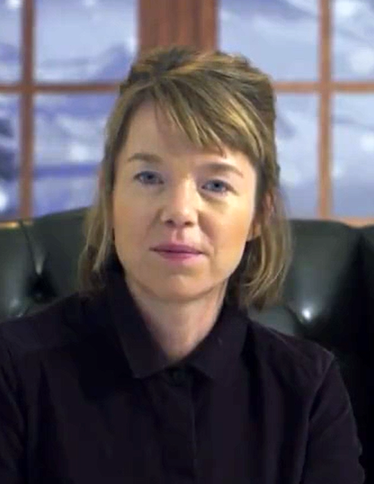
Co-starring Anna Maxwell Martin as Lucy, the detective’s wife — who ends up reluctantly dragged into Ludwig’s makeshift investigations — the show blends dry wit, cosy atmosphere, and genuine mystery. The chemistry and clever writing struck a chord: critics praised its mix of humour and heart, and viewers responded in droves.

The Night Ludwig Joined the Comedy Elite

At the 2025 International Emmy Awards, held in New York, Ludwig took home the trophy for Best Comedy Series. Given the global competition — from comedies produced across continents — this win doesn’t just reflect local taste: it’s a stamp of international approval.

The fact that a show rooted in polite Britishness, cups of tea, and crossword-puzzle reasoning resonated globally is proof that understated, intelligent comedy still travels — and even triumphs.

Why It Works — Without Trying Too Hard

  • It respects the audience’s intelligence. The puzzles and mysteries aren’t cheap gimmicks — they’re genuinely clever, giving viewers “aha” moments.

  • It’s absurd, but emotionally grounded. The premise could’ve tipped into farce, yet the writing and performances keep it real, warm and — surprisingly — touching.

  • It’s cosy without being dull. In a world of neon-lit crime thrillers and gritty detectives, Ludwig offers something softer — humour wrapped around suspense, served with a biscuit and a brew.

  • It bets on character over spectacle. No flash effects, no car chases — just solid acting, dry wit, and smart plotting.

What’s Next?

The BBC is reportedly filming a second season. After an Emmy, expectations are high — but so is enthusiasm. Viewers seem ready for more: more crosswords, more awkward deducing in overcoats, more vaguely British murder-solving.

If the award proves anything, it’s that British comfort-crime still has a worldwide audience. So brew a cup, sharpen a pencil, and get your thinking cap ready. Ludwig isn’t just a cozy detective show anymore — it’s a global phenomenon.
Sheikh MohsinComment
Finlay Christie's Big Break: Debuting on Have I Got News For You

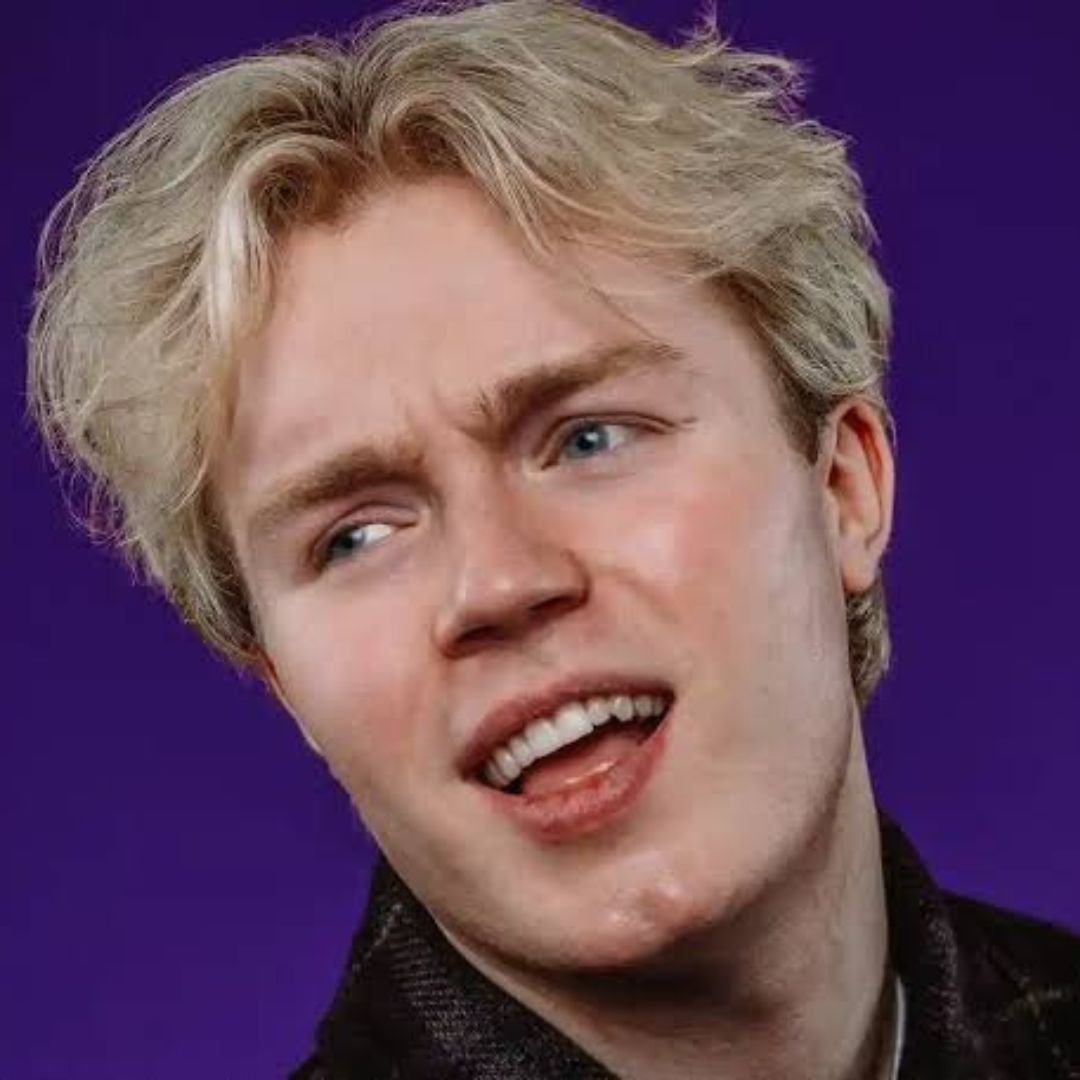
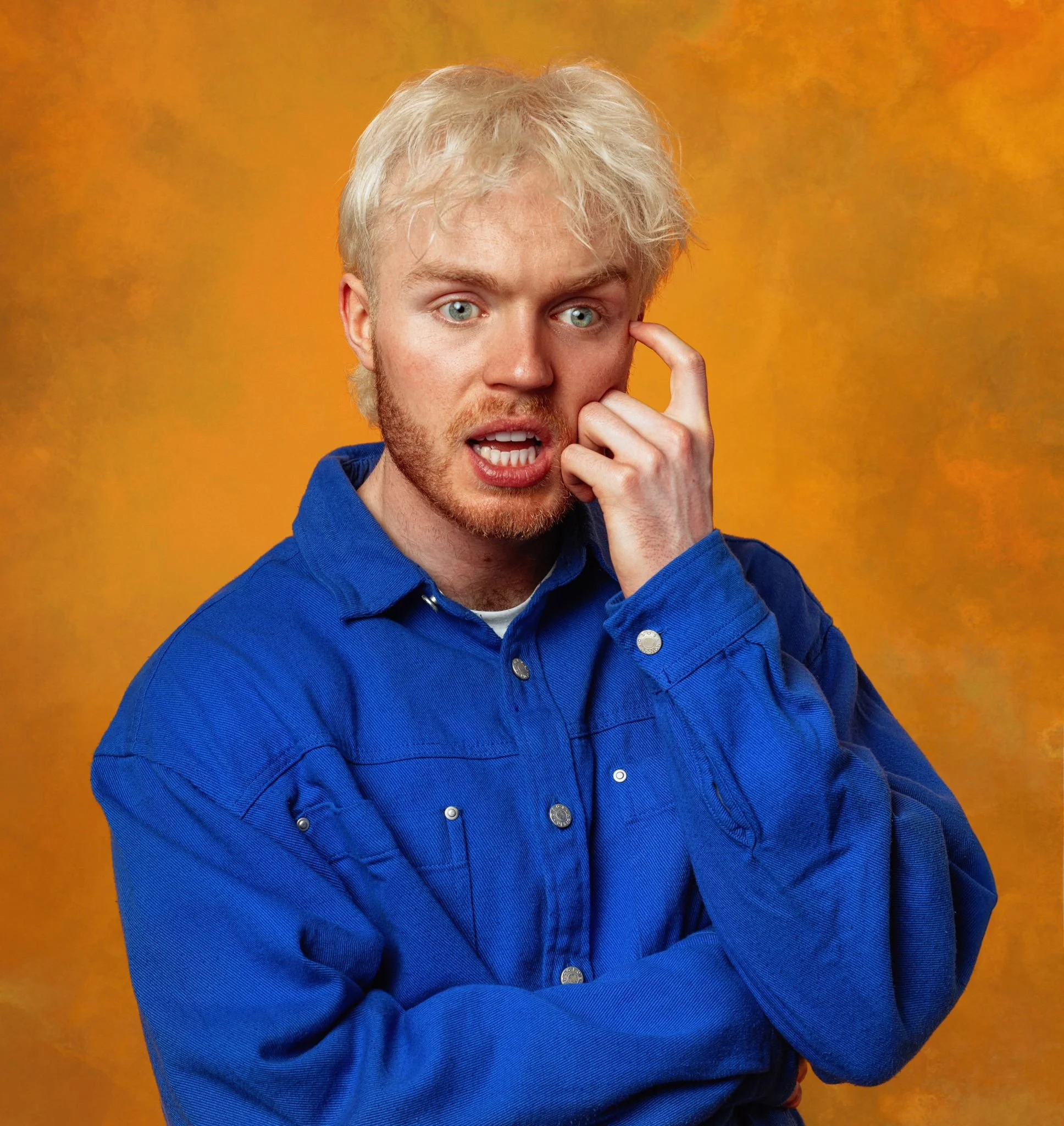
Comedy fans, brace yourselves: Gen-Z firecracker Finlay Christie is officially making his Have I Got News For Youdebut, joining the December 5th episode of the long-running satirical institution. The booking pairs him with another newcomer to the show, Green Party leader Zack Polanski, setting the stage for a fresh and energised episode of political mischief.

Christie’s rise has been anything but ordinary. He first dipped his toes into performance as a child—appearing on Blue Peter at just fourteen—and went on to become one of the youngest winners of the prestigious So You Think You’re Funnycompetition at nineteen. His ascent accelerated through online comedy, where his sharp sketches and fast-paced stand-up helped him amass a significant following across YouTube and TikTok. His brilliantly titled online specials, including parody-laden gems such as futuristic sitcom twists, have become staples for fans who crave quick, clever humour.

A defining feature of Christie’s comedy is his willingness to go straight for the jugular of modern privilege. He toys with the absurdities of class, self-image, and generational angst, often making himself the punching bag in the process. His 2024 Edinburgh Fringe show, I Deserve This, earned glowing praise for its honest, self-aware unpacking of what it means to be a young adult raised in comfort but living in chaos. Critics loved it, audiences loved it, and it cemented Christie as a comedic voice who can blend satire, sincerity, and silliness without missing a beat.

This upcoming HIGNFY appearance marks an important moment in his career. The show’s format thrives on quick-witted guests who can banter, spar, and spin absurdity out of headline news, and Christie is uniquely positioned to bring something new to the table. His generational point of view—equal parts self-mocking and culturally plugged-in—adds a modern twist to the show’s often establishment-leaning humour. Pairing him with Polanski, a figure rooted in contemporary politics, promises a dynamic that could be both entertaining and delightfully unpredictable.

Fans tuning in can expect Christie to tap into his signature blend of observational sharpness and gleeful irreverence. Whether he’s dissecting the latest political chaos, poking fun at social media culture, or skewering himself for laughs, he’s likely to give the show a dose of energy that reflects the current comedic zeitgeist. For those who’ve watched his online rise over the past few years, this appearance feels like a natural—and exciting—step into the mainstream.

So mark your calendar. On December 5th, Have I Got News For You might feel a little younger, a little sharper, and a lot more chaotic in the best possible way.

Sheikh MohsinComment
Men Behaving Badly Returns — On Stage This Time

Grab your pint, sink into that familiar saggy sofa, and brace yourself: Men Behaving Badly is coming back — but not as a TV revival. Instead, the beloved 1990s sitcom is being reborn as a live stage play, written by the show’s original creator, Simon Nye.

From Sitcom Sofa to Theatre Stage

The play will debut at the Barn Theatre in Cirencester and run from January 30 to March 7, 2026. It’s directed by Joseph O’Malley, who’s made a name for himself bringing classic British comedy to the stage. The production promises a hearty hit of nostalgia, but with enough new energy to satisfy modern audiences.

A Plot Packed with Throwbacks

Rather than updating the setting to the present day, the stage version cleverly drops audiences back into New Year’s Eve, 1999, just as the characters prepare for a wedding against the backdrop of Y2K angst. Expect the familiar blend of chaos, questionable decision-making, and heartfelt friendship that defined the original show.

According to the creative team, this adaptation celebrates the spirit of the 1990s and the comforting simplicity of sitting on a sofa talking absolute rubbish — an art form Gary and Tony perfected long before it was fashionable.

Revisiting the Original Gang (Sort Of)

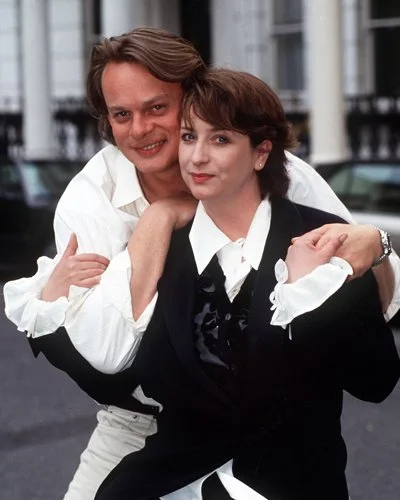
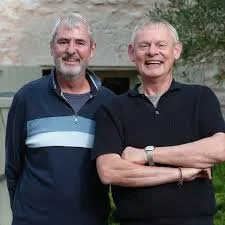
While no casting has been announced for the stage version, the original TV series starred Martin Clunes as Gary Strang, Neil Morrissey as Tony Smart, Caroline Quentin as Dorothy, and Leslie Ash as Deborah. Their performances were central to the show’s success, and their characters remain some of British sitcom’s most recognisable personalities.

Behind the scenes, the new production features set and costume design by Alfie Heywood, sound design by Amanda Priestley, and casting by Marc Frankum.

A Comedy That Meant Something Then — And Still Does

When Men Behaving Badly aired from 1992 to 1998, it captured the essence of the “lad culture” era. The dynamic between Gary and Tony made it both hilarious and, at times, strikingly honest. Today, the original cast have openly reflected on how some elements wouldn’t fly in modern culture. Neil Morrissey has described Tony as “misogynistic,” and Martin Clunes has said the show wouldn’t be made the same way today, given how much the social landscape has shifted.

That’s exactly why a stage version set in its original era is such a clever move. It lets audiences revisit the characters without forcing them into a modern mould, offering a space to laugh at — and learn from — the past.

Why You Might Actually Want to See It

One of the biggest draws is that the play is written by Simon Nye himself, meaning it isn’t a cheap reboot but a genuine creative extension of the original world. The charming late-90s setting adds an instant nostalgic spark, especially with the Y2K panic bubbling in the background. The chemistry and slightly chaotic energy that worked so well on television will likely translate hilariously to a live setting, where the unpredictability of theatre can only add to the fun. And for long-time fans, it offers a chance to reconnect with the characters in a way that feels both affectionate and freshly re-imagined.

If you loved the original series — or if you simply enjoy the kind of comedy where friendship, foolishness, and fondness collide — this stage adaptation might be the perfect night out.

Sheikh MohsinComment
On the Axed Red Dwarf Episode and the use of CGI

In a plot twist so spectacularly meta that even Holly would say, “Nice one, Dave,” Red Dwarf co-creator Doug Naylor recently revealed that the now-cancelled 90-minute special was going to feature a fully CG young Dave Lister—digitally de-aged to look like Craig Charles in his early twenties.

Naylor explained that the storyline was built around Lister travelling back in time to save his 23-year-old self from stasis. The plan was for present-day Lister to go on the run with his newly liberated younger counterpart, all while dodging not one but two Rimmers—one from the current timeline and one from the past. Yes, two Rimmers. Somewhere, Kryten is still rebooting.

To avoid recasting or unsettling cloning attempts in the style of a malfunctioning Skutter, Naylor hired a visual effects specialist to create a completely CG young Lister. The results were apparently so convincing that onlookers reacted with disbelief, asking whether the footage was really computer-generated.

So Why Did the Whole Thing Get Smegged Up?

Despite a contract in place and two-thirds of the script already complete, UKTV abruptly halted development. According to Naylor, this was the result of the broadcaster deciding to step back from commissioning scripted comedy altogether—collateral damage that took Red Dwarf’s ambitious special with it.

Naylor still hopes the story may live on someday, perhaps as a novel or in the hands of another broadcaster, but the fully realised CG Lister has—at least for now—been left to float in the digital void.

Craig Charles later added further detail, saying the unmade episodes would have leaned heavily on AI and new effects tech. He described the planned visuals as jaw-dropping, the sort of effects that make you shout, “How smegging hell did they do that?!”

What We Lost in the Unmade Episode

The special would have given fans a rare treat: Lister mentoring his own younger self, crashing through time and space with both wisdom and musical incompetence intact. The dynamic promised a surprising emotional core—something halfway between a father–son story and a buddy comedy where both buddies are equally irresponsible.

Meanwhile, Rimmer’s double-presence would have created enough neurotic energy to power Red Dwarf’s backup drive for decades. And all of it would have unfolded through cutting-edge digital wizardry that pushed the show’s famously scrappy visual identity into dazzling new territory.

Even without being made, this lost episode has already slipped into Red Dwarf legend—one of those tantalising “what might have been” moments that leave fans dreaming of de-aged slobs, time-hopping mishaps, and more Rimmers than any universe should reasonably contain. If nothing else, it's comforting to know that somewhere out there, a beautifully rendered young Lister is waiting patiently in a hard drive, probably eating a virtual chicken vindaloo.

Let’s just hope he gets thawed someday.

Sheikh MohsinComment
The Nature of Comedy: A Masterclass in Gloriously Unnatural Acts

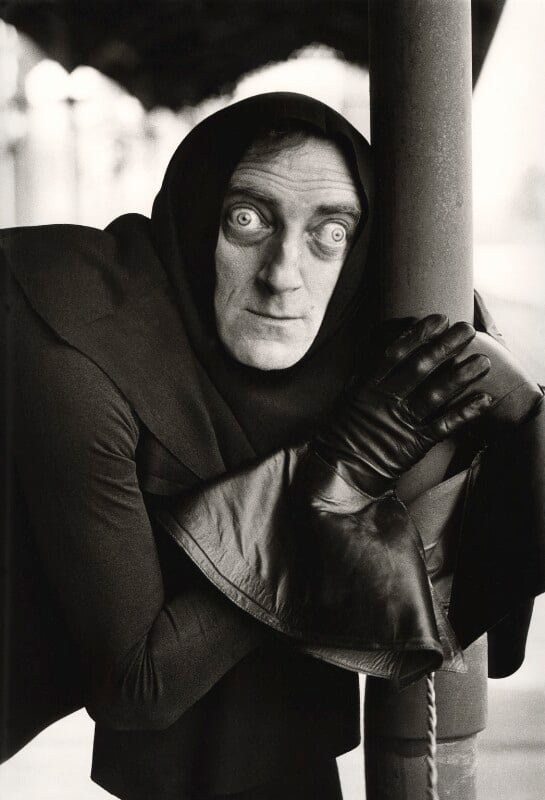
Let’s take a wild, eye-bulging leap into the wonderfully warped mind of Marty Feldman, the British comic genius whose very face seemed to laugh before he even opened his mouth. A recently resurfaced 1969 BBC documentary, titled No, But Seriously…, shows Feldman dissecting exactly why he does comedy—and let me tell you, it’s more profound than you might expect.

The Setup: Who Was Marty Feldman, Anyway?

Marty Feldman (1934–1982) is widely remembered for his striking, misaligned eyes, a consequence of thyroid issues, and for his career as a comedian, writer, and actor. He first made his mark writing for radio, most notably on Round the Hornewith Barry Took.

He later starred in influential TV sketch shows such as At Last the 1948 Show, where he co-created the now-legendary “Four Yorkshiremen” sketch that would later be revived by members of Monty Python.

Hollywood eventually welcomed him, and Feldman became iconic as Igor—pronounced “Eye-gor”—in Mel Brooks’s Young Frankenstein.

Comedy as Neurosis: Feldman’s Philosophy in the 1969 Doc

In the BBC documentary No, But Seriously…, Feldman gets deeply introspective about his craft. He explains that comedy began for him as a need for approval, but over time became tangled with pressure:

“With the pressure of having to be funny all the time, I find that I enjoy it less and less.”

He goes on to describe comedy as “a kind of neurosis which I exploit,” elaborating:

“You plagiarise your inadequacies, your hangups, and you make comic capital out of them. After all, it's not normal to parade yourself in front of other people and invite them to laugh at you.”

For Feldman, the very things that made him feel out of place became the engine of his humor.

Social Freaks, Laughing Freaks

One of the most striking observations he makes in the documentary is his claim that virtually all comedians feel like “social freaks” in some way—whether due to their upbringing, appearance, or personality. This wasn’t self-pity; it was a diagnosis of what drives people to comedy.

Feldman didn’t just accept his oddness—he weaponized it. He turned what the world saw as strange into something joyful, universal, and cathartic. He transformed discomfort into laughter, and in doing so, made millions feel a little less strange themselves.

The Unnatural Act: Comedy According to Feldman

If you want a single line that summarizes Feldman’s comedic worldview, it’s one of his most famous quotes:

“Comedy, like sodomy, is an unnatural act.”

Shocking? Yes. But Feldman wasn’t merely reaching for provocation. He believed that comedy is something deliberately constructed. It breaks patterns, violates expectations, and plays with the taboo.

Calling comedy “unnatural” was his way of celebrating its rebellion—its refusal to follow the polite rules of human interaction.

Beyond the Laughs: The Heart in the Absurd

Feldman wasn’t simply concerned with laughs. He saw comedy as a reflection of the absurdity of life. While promoting his film The Last Remake of Beau Geste, he remarked that there is always a serious element at the heart of humor, and that the great silent comedians like Buster Keaton and Charlie Chaplin understood this intuitively.

He believed deeply that within absurdity lies dignity—and that comedy’s power comes from telling the truth about the ridiculousness of being human.

Legacy: Why Feldman Still Matters

So why revisit a black-and-white BBC documentary from more than 50 years ago? Because Feldman’s ideas about comedy feel remarkably contemporary.

His willingness to expose his insecurities, turn his perceived flaws into art, and build humor on vulnerability set a template modern comedians still follow. He showed that comedy isn’t necessarily rooted in confidence—it often comes from the exact opposite.

For Feldman, comedy wasn’t just a performance. It was a lens, a way to turn chaos into connection.

A Final Feldman Zinger

Before we wrap up, here's one more classic piece of Feldman wit:

“The pen is mightier than the sword, and considerably easier to write with.”

Dry. Precise. And undeniably him.

Sheikh MohsinComment